
What Is Meditation?
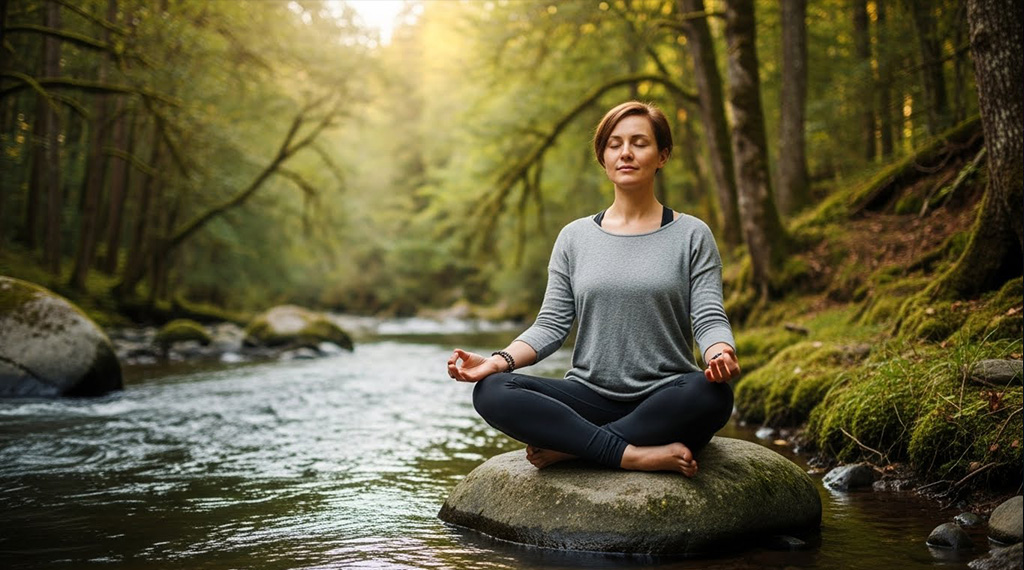
Meditation for Beginners is a simple mental practice that focuses attention on the present moment to calm the mind, increase awareness, and reduce stress. It is commonly practiced by gently observing the breath, body sensations, or thoughts without judgment.
Meditation does not require special tools or spiritual experience, making it accessible to beginners of all ages.
Why Meditation Matters
Meditation helps train the mind to slow down and respond calmly rather than react emotionally. In today’s fast-paced and digitally overloaded world, meditation provides mental clarity, emotional balance, and improved focus.
According to the National Center for Complementary and Integrative Health, meditation can support mental health and overall well-being when practiced regularly.
Benefits of Meditation for Beginners
The main benefits of meditation for beginners include:
- Reduced stress and anxiety
- Improved focus and concentration
- Better emotional balance
- Improved sleep quality
- Increased self-awareness
Even short daily meditation sessions can produce noticeable mental and emotional benefits.
How to Meditate for Beginners (Step-by-Step)
Follow these simple steps to start meditating:
- Sit comfortably with your back straight
- Close your eyes and relax your body
- Focus on your natural breathing
- Notice thoughts without judgment
- Gently bring attention back to your breath
- Continue for 5 to 10 minutes
Practicing these steps daily helps build mindfulness and calm awareness over time.
Simple Meditation Practices to Start Today
Beginners should start with easy and practical meditation techniques:
- Mindfulness Meditation: Focus on the breath and observe thoughts without reacting.
- Breath Awareness: Count or follow each inhale and exhale.
- Body Scan Meditation: Bring attention to different body parts to release tension.
- Guided Meditation: Ideal for beginners who need verbal guidance.
(Try beginner sessions on Headspace ) - Walking Meditation: Walk slowly while staying aware of movement and breath.
How Long Should Beginners Meditate?
Beginners should meditate for 5 to 10 minutes per day.
Once comfortable, the duration can gradually increase to 15 or 20 minutes.
Short and consistent sessions are more effective than long, irregular ones.
Best Time to Meditate for Beginners
The best time to meditate is when you can practice consistently.
- Morning meditation improves focus and mental clarity for the day
- Evening meditation helps relax the mind before sleep
Choose a time that fits naturally into your routine.
Common Meditation Mistakes Beginners Should Avoid
Common meditation mistakes include:
- Expecting instant results
- Trying to stop thoughts completely
- Skipping meditation frequently
- Meditating with distractions
- Being too hard on yourself
Meditation is about awareness, not perfection.
People Also Ask (FAQ Section)
Is meditation difficult for beginners?
No. Meditation is simple and beginner-friendly. It only requires focused attention for a few minutes each day.
Can meditation really reduce stress?
Yes. Meditation activates the relaxation response and helps reduce stress and anxiety naturally.
Do I need special tools to meditate?
No tools are required. However, guided meditation apps or timers can be helpful.
How long does it take to see results from meditation?
Some people notice benefits within a few days, while deeper results develop with consistent practice over weeks.
Conclusion
Meditation for beginners is about starting small and staying consistent. With simple techniques and daily practice, meditation can improve mental clarity, reduce stress, and build lasting awareness. By choosing the right time and avoiding common mistakes, meditation can become a natural and supportive part of everyday life.
For additional beginner guidance, explore Mindful’s meditation resources: