
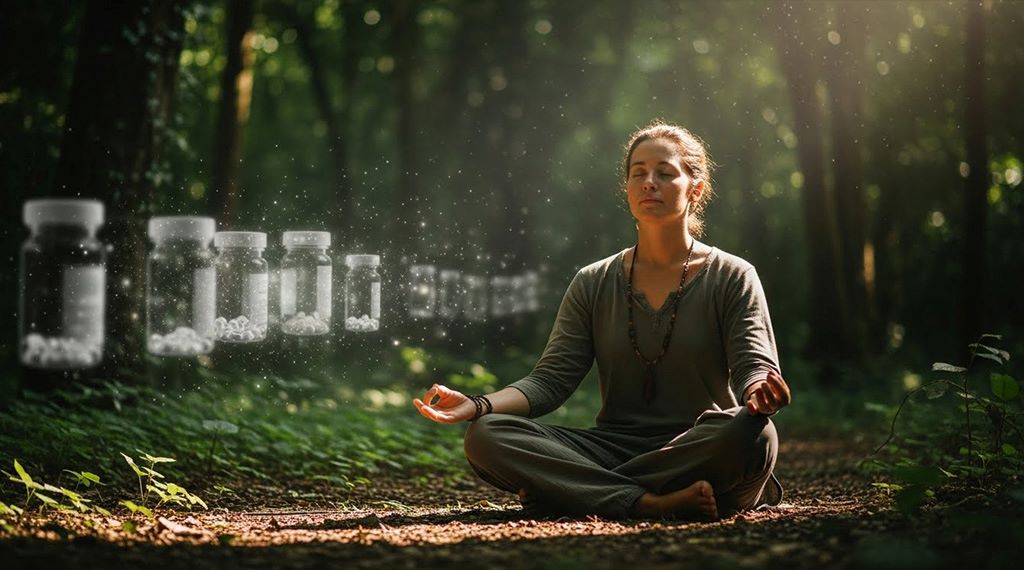
Introduction
Meditation vs medication is a common question for people seeking better mental wellbeing. Stress, anxiety, and emotional challenges often lead individuals to explore both natural and medical approaches. While meditation and medication serve different purposes, understanding how each works can help you make informed, responsible choices for your mental health.
This article explains the difference clearly—without promoting one over the other.
What Is Meditation
Meditation is a mental practice that trains awareness, focus, and emotional regulation. It helps individuals observe thoughts and emotions without judgment, supporting calmness and clarity over time.
Mindfulness-based meditation has been widely studied for stress reduction and emotional balance. According to Mindful.org, regular meditation can improve focus, reduce stress, and support overall mental wellbeing.
Meditation is generally considered a supportive practice, not a medical treatment.
What Is Medication
Medication for mental health is prescribed by qualified healthcare professionals to treat conditions such as anxiety disorders, depression, bipolar disorder, and other clinical conditions.
According to the National Institute of Mental Health, medications can help manage symptoms by balancing brain chemicals that affect mood and behavior.
Medication is often necessary when symptoms are severe, persistent, or interfere significantly with daily functioning.
Meditation vs Medication: Key Differences
Meditation focuses on developing awareness and emotional resilience through consistent practice. Medication focuses on managing symptoms through medical intervention.
Meditation works gradually and supports long-term emotional skills. Medication often works faster and targets specific clinical symptoms. Meditation requires personal effort and consistency, while medication requires professional diagnosis and supervision.
Both serve different but important roles.
When Meditation Can Help
Meditation may be helpful when dealing with:
- Daily stress and mental overload
- Mild anxiety or emotional imbalance
- Difficulty focusing or calming the mind
- Emotional reactivity
Harvard Health explains that mindfulness meditation helps reduce stress and improve emotional regulation.
In these cases, meditation can be a powerful supportive practice for mental wellbeing.
When Medication Is Necessary
Medication may be necessary when:
- Symptoms are intense or long-lasting
- Daily life and relationships are affected
- There is a diagnosed mental health condition
- Meditation alone does not provide relief
The American Psychiatric Association emphasizes that medication should always be guided by a qualified professional.
Medication is not a failure—it is a form of care.
Can Meditation and Medication Work Together
Yes. Meditation and medication can work together effectively. Many healthcare professionals recommend meditation as a complementary practice alongside medical treatment.
Verywell Mind notes that mindfulness can support therapy and medication by improving emotional awareness and stress management.
Meditation supports inner skills, while medication supports chemical balance.
Important Things to Keep in Mind
- Meditation should not replace prescribed medication without medical advice
- Medication decisions should always involve a healthcare professional
- Meditation works best with consistency and patience
- Mental wellbeing is personal—what works varies for each individual
If you are unsure, seeking professional guidance is always the safest step.
Conclusion
Meditation vs medication is not about choosing one over the other. Meditation supports emotional resilience and self-awareness, while medication provides medical support when needed.
Understanding their roles helps you approach mental wellbeing with balance, responsibility, and care. When used appropriately, both meditation and medication can contribute to a healthier, more stable mental state.
For more mindfulness insights, explore Mindful.org’s meditation resources.